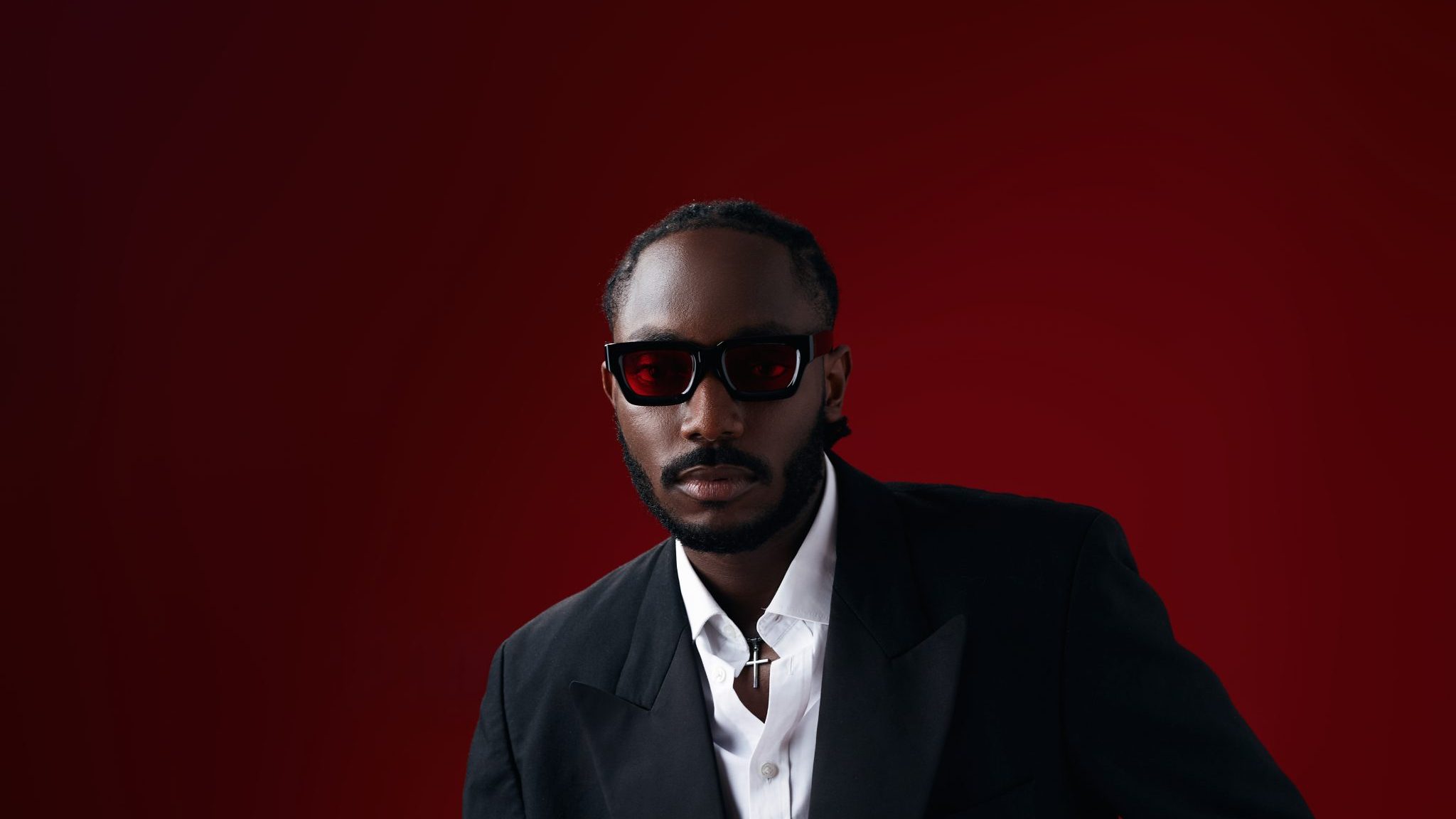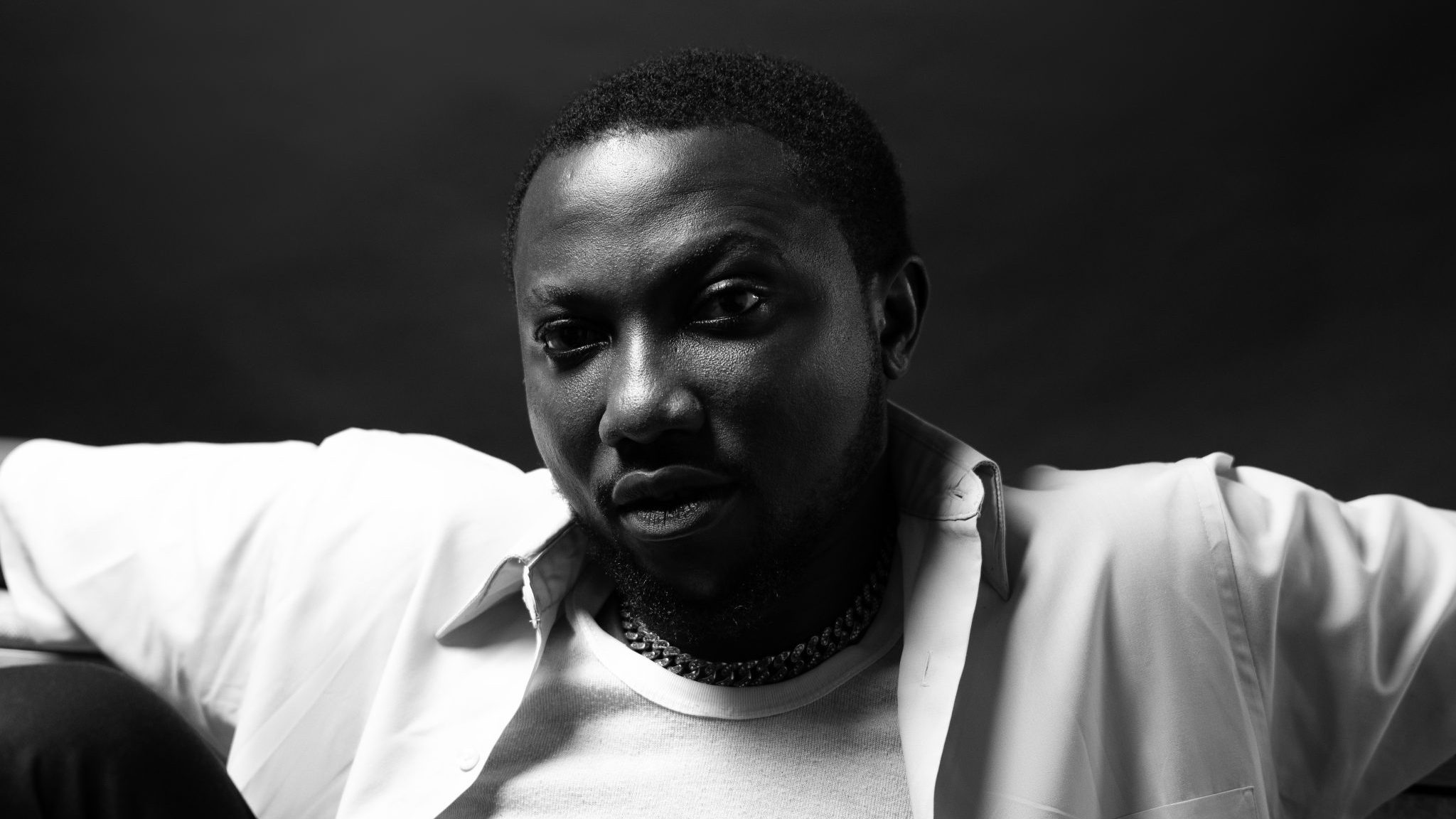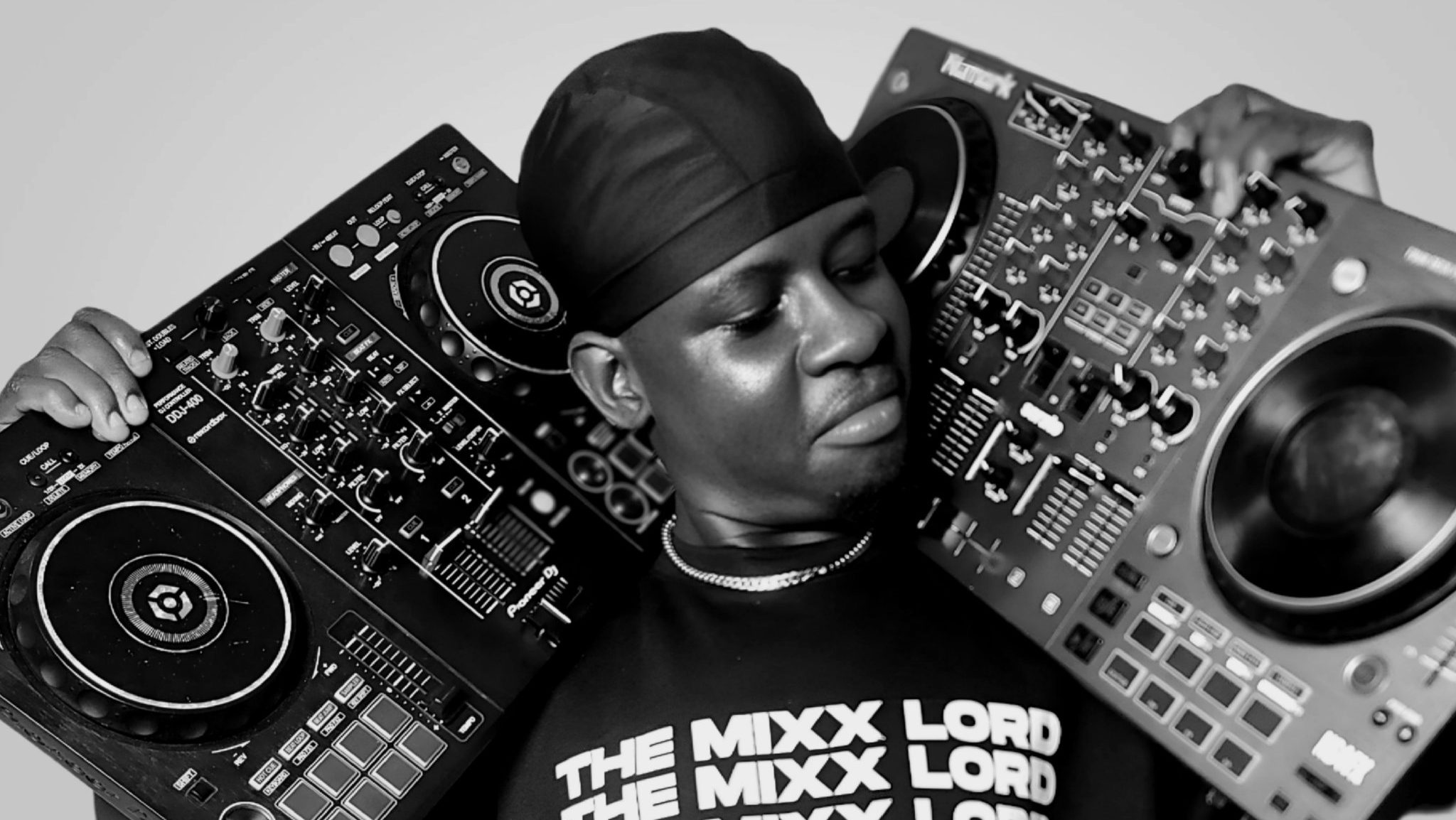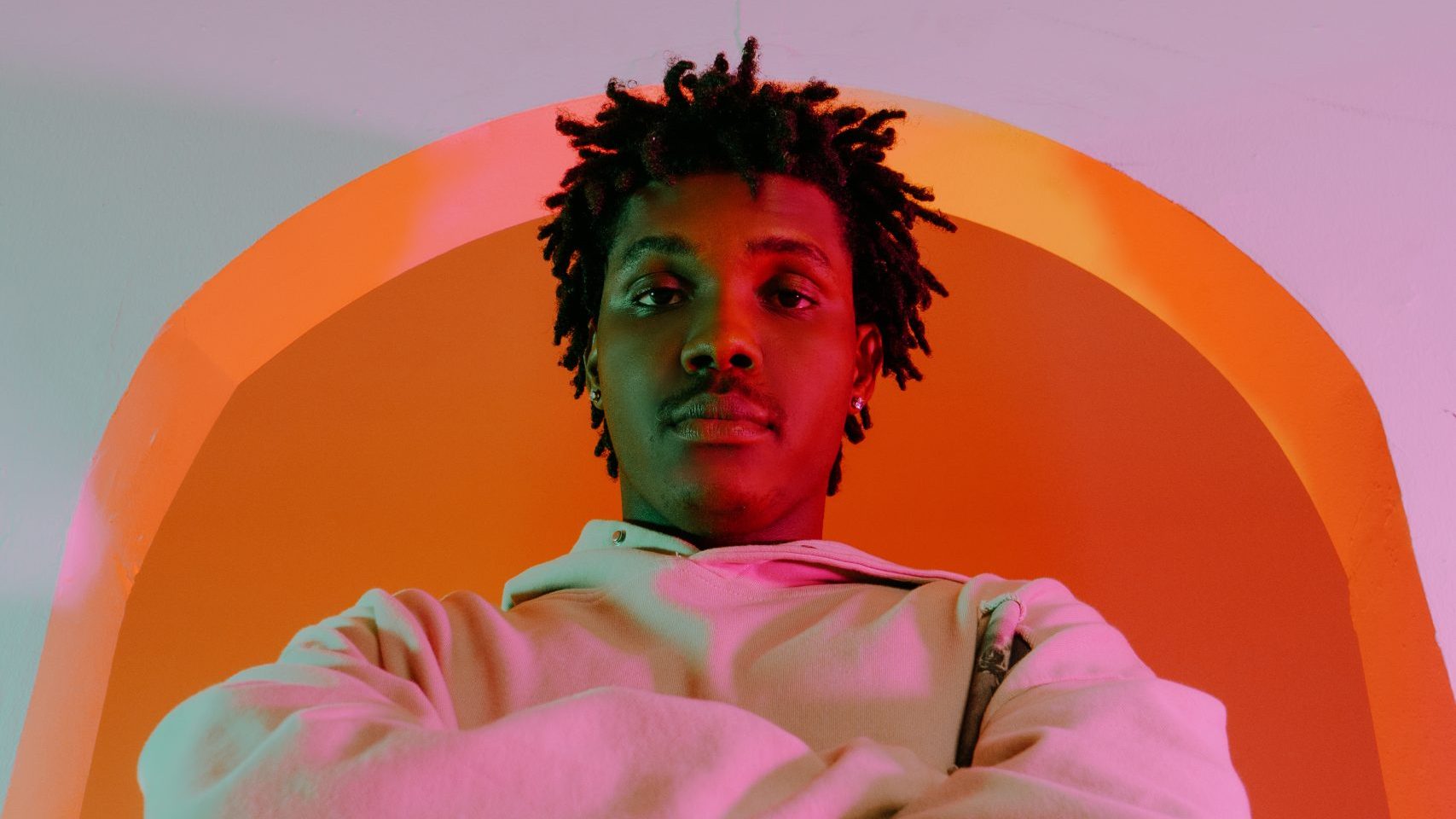
Since his first single in 2019, the Lagos-based rapper and producer Kayode has been releasing music across hip-hop, drill, trap, alternative, afrobeats and R&B, sharpening his sound through projects like the 2023 album Still Figuring Life and the 2024 EP Kay Kay, collaborating with PsychoYP and Odumodublvck, and crossing 50 million streams without a major label machine behind him. Most of that happened while the wider conversation was pointed elsewhere.
Then, in February 2026, he posted a teaser. Just a clip of himself rapping over a vocal chop of Fuji legend King Dr Saheed Osupa, and the internet responded wildly. Over 40,000 TikTok videos were created before Aimoye officially dropped on March 13. The song, built around Osupa’s timeless line about the fleeting nature of life, was not just a record that worked. It was proof that Kayode had been thinking about something deeper than the next single.
Now he is previewing Ise Oluwa, which samples Apala legend Musiliu Haruna Ishola’s “Ise Oluwa Ko Seni Toye,” a song that lives in the bones of virtually every Yoruba household. This seems to be a deliberate move: Kayode is reaching into the generational memory of Nigerian music and pulling it forward, giving a new generation access to something their parents knew by heart, wrapped in the language of now. He calls it sticking to his roots. The numbers suggest it is also just very, very good music.
We sat down with him to talk about his journey, his hopes and where all of this is coming from.
Before we get into the music, who exactly is Kayode? Is there a difference between Kayode the artist and Kayode the man?
Honestly, I like to think of Kayode the artist and Kayode the regular human being as the same, because it’s really just me. When I’m not in work mode, I’m someone shaped by real-life experiences in Lagos — the highs, the lows, the pressure, the fun, the uncertainty, the constant need to keep grinding no matter what. At my core, I’m reflective, observant, and very intentional about how I move and what I create.
As an artist, though, I get more expressive when I’m in that zone. The music allows me to say things I might not always say out loud, to process emotions, tell stories, and connect with people on a deeper level. There’s a certain freedom in that version of me. But as a person, I’m more reserved and grounded. The artist is really just an amplified version of the man, shaped by music and emotion.
What is your earliest memory of music, and how did that lead you to where you are now?
My journey really started in church. I played the piano in church around age 11 or 12, and from that moment, I never really stopped. Being in that environment taught me more than just how to play; it gave me a real understanding of music, structure, and feeling. That’s where it all began for me.
How much of that foundation still shows up in the music you’re making today?
Over time, I picked up the bass guitar as well, and knowing both gave me a very solid foundation at an early age. It helped me see music from different angles. That foundation is what has carried me till now; it shaped how I create, how I hear things, and how I express myself. As I got older, pursuing music professionally just felt like the natural next step from something I had already been deeply connected to for years.
Your freestyles and covers on Instagram were what first got people paying attention. What were you trying to say with those, and did you expect them to land the way they did?
I wasn’t really overthinking anything, to be honest. The freestyles and covers were really just me expressing myself and staying consistent with my music. It was a way to show how I hear music and how I can make any song feel like mine. I didn’t fully expect them to land the way they did, but I knew I had something. And once I saw people connecting with my sound, it pushed me to go harder and be more intentional with how I was putting myself out there.
Playtime Is Over was the official kickoff. Looking back at that project now, what does it represent to you, and how far do you feel you’ve come from it?
That was the moment I decided to go all in. It was me letting people know this is no longer just something I do for fun. At that point, I was hungry — and I’m still very much hungry — experimenting, and trying to prove myself. Looking back, I’ve definitely grown sonically, mentally, and even in how I approach my music and my career. I understand myself more now, I’m more intentional, and my sound is more refined.
You make hip-hop, drill, trap, alternative, afrobeats, R&B. When you sit down to create, how do you decide what a song is going to be?
It just depends on how I’m feeling that day, honestly. Sometimes an afrobeats record comes, sometimes it’s a hip-hop record. When I have a story to tell, that also helps me streamline the exact type of sound I want to convey the emotion with.
Aimoye samples King Dr Saheed Osupa, one of the most decorated names in Fuji music. What brought about that idea, and what was it like tapping into the creative space of someone of that legendary stature?
This was a song I loved growing up. The first few seconds were always stuck in my head, the bounce and the way he sang it always felt like hip-hop in another universe. I’ve always wanted to sample Fuji, but I always thought it would be on an afrobeats record. But when I put Osupa on 808s, it was too nasty.
Aimoye means a lot to me because it feels like I’m introducing a classic moment from music history to a new generation in a sound they naturally connect with. The original Fuji record is timeless, but a lot of us discovered it through our parents, so it carries nostalgia. This version brings that energy to a new generation in a way that feels fresh and relatable.
Aimoye went viral before it was even fully released. What was that moment like watching the teaser take off, and were you prepared for it?
Yes, I’ve stayed prepared since forever. But I wasn’t expecting it to go as crazy as it did, I can’t lie. I knew it was different and that people would love it. I just thought it was going to be another single I drop, people listen, drop their fire emojis, and wait on the next one. But they actually really loved it. It had over 40k videos on TikTok before it was even released.
Now you’re previewing Ise Oluwa, which samples Apala legend Musiliu Haruna Ishola. There’s clearly a pattern here of reaching into the roots of Nigerian music. Is that a conscious direction, or is it just where the ideas are taking you?
Yeah, it’s a conscious effort to redefine and re-introduce a sound that moved an entire generation. In the early 2000s, these Apala and Fuji legends were the superstars of their time. And when you listen to their lyrics and the content of their music, it is timeless; it still reflects the state of our pop culture today. So I’m going where the music takes me, but most importantly, I’m sticking to my roots and my culture. Because no place like home, o.
Musiliu Haruna Ishola’s “Ise Oluwa Ko Seni Toye” is a song that means something to a lot of Yoruba-speaking people at a deep level. What drew you to that specific record and what did you want to do with it?
Anybody who grew up in a Yoruba home or close to one definitely has memories tied to that song. It is played everywhere till today: owambe parties, birthdays, weddings. It is a song of gratitude. I wanted to show gratitude for what God keeps doing for me in my life. After I previewed Aimoye and it went as crazy as it did? It could only be God’s work. Ise Oluwa ko seni toye, fr fr.
How do you approach sampling a legend? Is there a responsibility that comes with it or do you just trust the creative instinct?
There’s definitely a responsibility that comes with it. When sampling a legend, the first thing is respect. You’re not just taking a sound, you’re tapping into something that already has history and meaning, and you’re stepping into the memories people have attached to that music. Everyone who has lived with that song carries a certain weight with it, so if they don’t connect with your version, you didn’t do it right.
For me, it’s about finding that balance, honoring the original while still making it my own. And at the same time, I trust my creative instinct, because that’s what helps me bring something fresh without losing the essence of what made it special in the first place.
You have over 50 million streams as an independent artist. That’s not a small number. How have you built that without a major label behind you?
By being consistent and being true to myself and my sound. I have fans from my very first single in 2019 that still listen to me till today. They are what have kept me going and built those numbers.
What does staying independent actually cost you, and what does it give you that you wouldn’t trade?
Staying independent definitely comes with a cost. You’re carrying everything on your back, on your own: the decisions, the funding, the pressure to get it right. There’s no safety net, no big machine pushing things for you, so it can feel like you’re not getting anywhere sometimes. It can also get overwhelming, because at that point you’re not just an artist, you’re thinking like a business, building a team, making sure every move makes sense long-term.
But what it gives me is freedom. I get to move on my own terms, create what I actually believe in, and build my sound and my brand without compromise.
Nigerian music is in a very interesting place right now globally. Where do you think you fit into that bigger conversation?
Nigerian music is in a powerful place right now, it’s global, it’s influential, and it keeps evolving. For me, I see myself as part of the new wave that’s pushing things forward while still staying rooted in where we’re coming from. I think the space is big enough for different voices, and my role is to keep building mine in a way that stands out, connects, travels, and lasts.
What is Ise Oluwa specifically about for you emotionally? What state were you in when you made it?
It’s about being grateful to God. I start the verse saying “Ipado Abija”, which means the comeback of a warrior. People like to say I disappeared when I dropped Live Forever. I’m grateful He gave me a worthy comeback. Glory be to God.
Be honest, what is a genre or sound you’ve tried to make that just did not work and will never see the light of day?
Probably hardcore rap. I still make rap music, but I’m more of a melody guy, I love melodies. And if you listen to my music, I still rap, just with melodies. The straight-up hardcore rap records? Those are staying in the vault.
If you had to describe your sound to someone who had never heard of you using only three artists as reference points, what would you pick?
Kanye West, Travis Scott, Burna Boy.
What does your creative process actually look like from the very beginning of an idea to a finished record?
If I’m producing the record, it has to start with an idea or a reference point, and it can be anything, really. A type of snare I heard in the club, an earworm that won’t leave my head, the way someone was dancing or moving to a particular sound. Anything, fr.
Then I start building the beat based on the vibe I’m feeling. While I’m making the beat, I’m already writing melodies in my head, so by the time the beat is done, most times I already have the chorus or a verse ready to go. I just record. When I’m satisfied, I mix and master everything, all in one session.
Church, Instagram freestyles, a mixtape, now a growing catalogue with 50 million streams. If you could go back and tell yourself something at any point in that journey, what moment would you pick and what would you say?
I’d pick the very beginning and tell myself to always do only what I want to do. Nobody else’s opinion matters as long as I consider it right.
Outside of music, what are you paying attention to right now that is feeding your creativity even if it doesn’t sound like music at all?
Video games, art, and clothes. I play video games a lot, I like to draw, I make digital art on my iPad. And I like to design clothes, I’ve designed a few pieces that I put on regularly. All of that feeds into the creative space for me.
Ise Oluwa is the work of God. Is that title a statement about where the music came from or where you’re going?
Both.
If you were to describe your music as a food or drink, which would it be?
Cold soft drinks. You know how, after a very hot day in Lagos, you just stop by a shop that sells very cold drinks, buy a bottle, and gulp it down? That feeling of hydration, yeah, that’s my music.
Sounds refreshing. Is there any genre that you just can’t bring yourself to like?
Nope. As long as it’s music and it sounds nice, I’m good. I don’t think there’s a particular genre I avoid.
In an alternate universe without music, what would Kayode be doing right now?
A lawyer. Yes, that was my first choice of career and what I planned to study in uni. But well, here I am today.
If you could drop a collab EP with any artist, dead or alive, who would you pick?
Asake, Mr. Money.