Dr. Babajide “Molo” Olanrewaju trained as a doctor. He also runs Greencamp, the non-profit talent incubator now heading into its tenth annual festival; styles artists under an Afrocentric streetwear lens; promotes events; and works as a data scientist, a discipline he says has sharpened how he reads the Nigerian entertainment industry from the inside. Raised between Epe and Ikorodu, he traces the range back to a childhood with, in his words, no limits: dancing, styling, photography, and organizing events long before any of it had a name. Medicine stayed the constant. Everything else grew up around it. Ahead of Greencamp Fest’s tenth edition this November at Freedom Park, in partnership with Onijekuje Lagos and a new WTS media pipeline for festival-discovered artists, he talked through the actual mechanics of building four careers that refuse to collapse into one.
You trained as a doctor and now run talent management, event promotion, and streetwear styling under one roof. What was the actual moment you decided medicine wasn’t going to be the whole story?
I always knew. I acted and danced as a child, planned birthdays, social nights, and extracurricular days in secondary school. I was a dancer until I got to 200 level in university. I made my first tee in 2013, for my hostel boys, and I learned photography straight out of secondary school. I just knew I wasn’t going to do one thing. Honestly, I’d say medicine became part of the story, not the whole of it. I always wanted to be a free person doing anything I liked. Lowkey, I thought I’d end up like Kaffy, a professional dancer and entertainer.
Epe and Ikorodu don’t usually show up in the same bio as “data scientist” and “artist and repertoire.” How did growing up there shape what you thought was possible for you?
Honestly, there had been no limits. My mum and dad made sure of that. We went on excursions in primary school. My dad stayed on Lagos Island, so we were always going in and out of Ikorodu. I went to NEPA Staff Secondary School, now Powerfield Group of Schools, a boarding house where I met people from diverse homes and places. I was also always ahead of my classes in primary school, so I represented my school a lot. We went to a French village twice. There were no limits, honestly.
Greencamp is described as a non-profit built to spotlight emerging Nigerian talent, but your client list includes clearly commercial work, event promotion for Wakanow and marketing consultancy for Rebirth Island. Where’s the line between the mission-driven side and the paying-client side, and does that line ever get blurry?
It never gets blurry for me. I always ask upfront if someone wants to work with Greencamp or if they want to work with me, because those are two totally different things. Wakanow, Rebirth Island, that’s personal work. At Greencamp, the mission stays the same.
You work in medicine, entertainment, data, and fashion. Which of those four is actually paying the bills right now, and which one would you protect if you had to drop the other three?
Honestly, all of them, but medicine is the stable and regular one. If I had to drop three, you’d have to kill me. I’m sorry. I got into data in 2023, but it’s genuinely improved how I approach everything else.
What does a data scientist see in the Nigerian entertainment industry that a typical promoter or manager misses?
You already answered your own question, that data thing. Once you see it, you can’t unsee it. It’s like a third eye opening. Retrospective observations, and numbers never, never lie.
You served as social secretary for the student body at CMUL in 2019. Did that role teach you anything about organizing people or events that you still use today?
Not really. I was already hands-on with events from secondary school, and I’d started throwing uni parties and house parties in 2017, two or three years before I became social secretary. But it did teach me how to move in political settings. One of my earliest exposures to organizing people, though, was watching my mum. She was HOD of education for different local governments in Lagos State.
Talent management and medical consultation are both, in a sense, about diagnosing what someone needs and prescribing a path forward. Do you actually think about your different services that way, or is that too neat a comparison?
I’ve never looked at it that way, but now that you mention it, you have a point. It’s too neat, though. You use different skill sets in both lanes, but the constant is management, just of different things. Talent management, to me, is closer to a sibling relationship. You have to know the person well to manage them effectively. You feel me?
Walk me through how you found your first real client.
Outside my own parties, events, and styling friends who paid me, I’d say it was styling Sammy from Big Brother. Fresh out of uni, my brand Alaye Merch was popping, and Bevs, Mavo’s manager now, reached out to me to style Sammy for his post-BBN media run. The pay was wack, but I did it because Bevs was my guy, and it wasn’t going to hurt me anyway.
Streetwear design and styling feels like the most personal of your services. Is that instinct, or is there a system behind how you dress an artist for a moment?
I just love clothes, pieces, shoes, and putting together a look. I dress people, and myself, based on what they want to express in that moment. The muse is always part of the styling direction, because it has to define you. I always go for an Afrocentric look, because I think styling should also represent where you’re from. Styling these days looks too Western. You’ll scroll social media and think you’re in the US, meanwhile the shoot was in Lagos. It doesn’t gel.
What’s a decision you made early on running Greencamp that, looking back, you’d call a mistake?
Walahi, no mistakes. Everything got us to this point. But maybe I’d say not taking our social media seriously when we started. It was just an archive of photos from each event. We could’ve done better then.
Nigerian creatives are constantly told to pick a lane. You’ve deliberately built a career that refuses to. What’s the actual cost of that, beyond just being busy?
I’m busy, genuinely, I don’t even usually realise it until I haven’t slept properly for days. But the actual cost for me is my health. I get sick a lot because I’m constantly stressed, looking for money, running activities, being a doctor, being present. The reward is satisfaction. I’ll do this until I can’t anymore.
Who is a Greencamp-spotlighted artist or creative you’re proudest of having helped, and what did that support actually look like in practice?
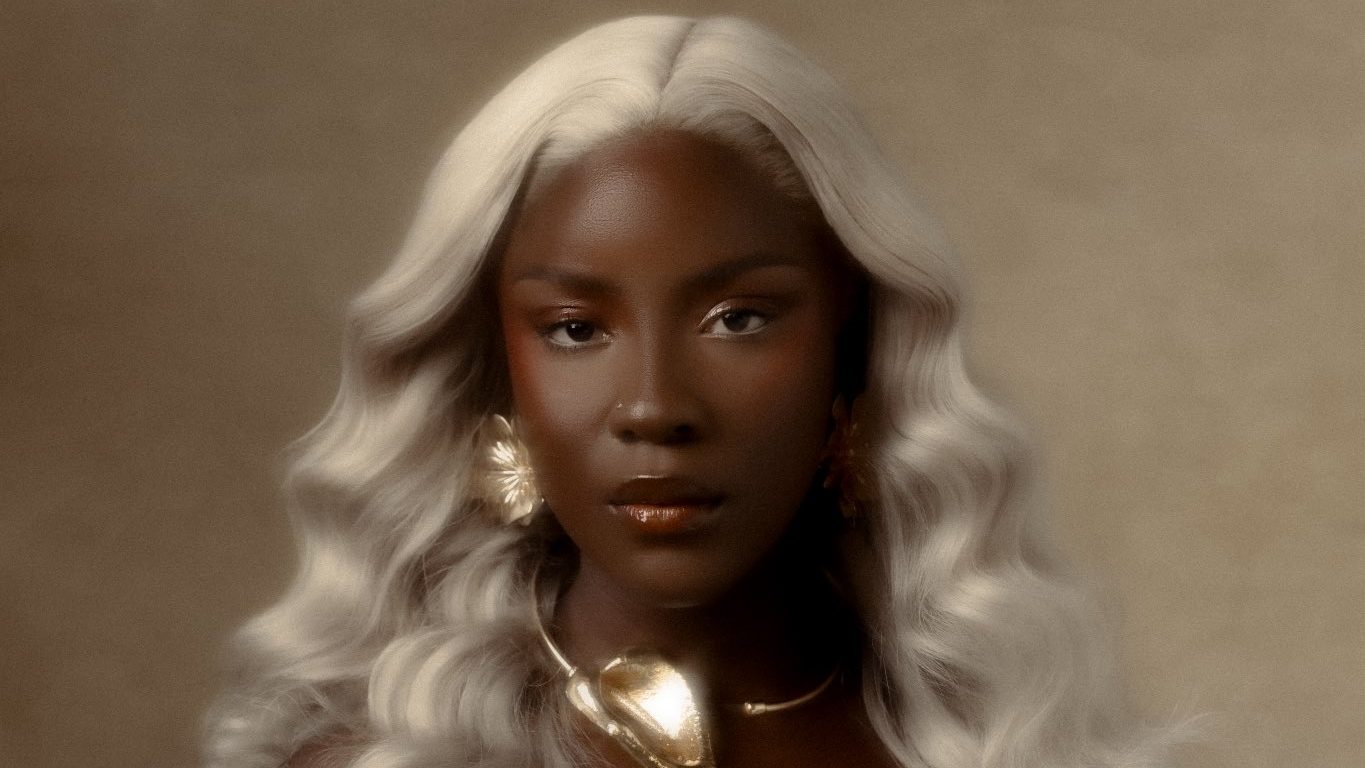
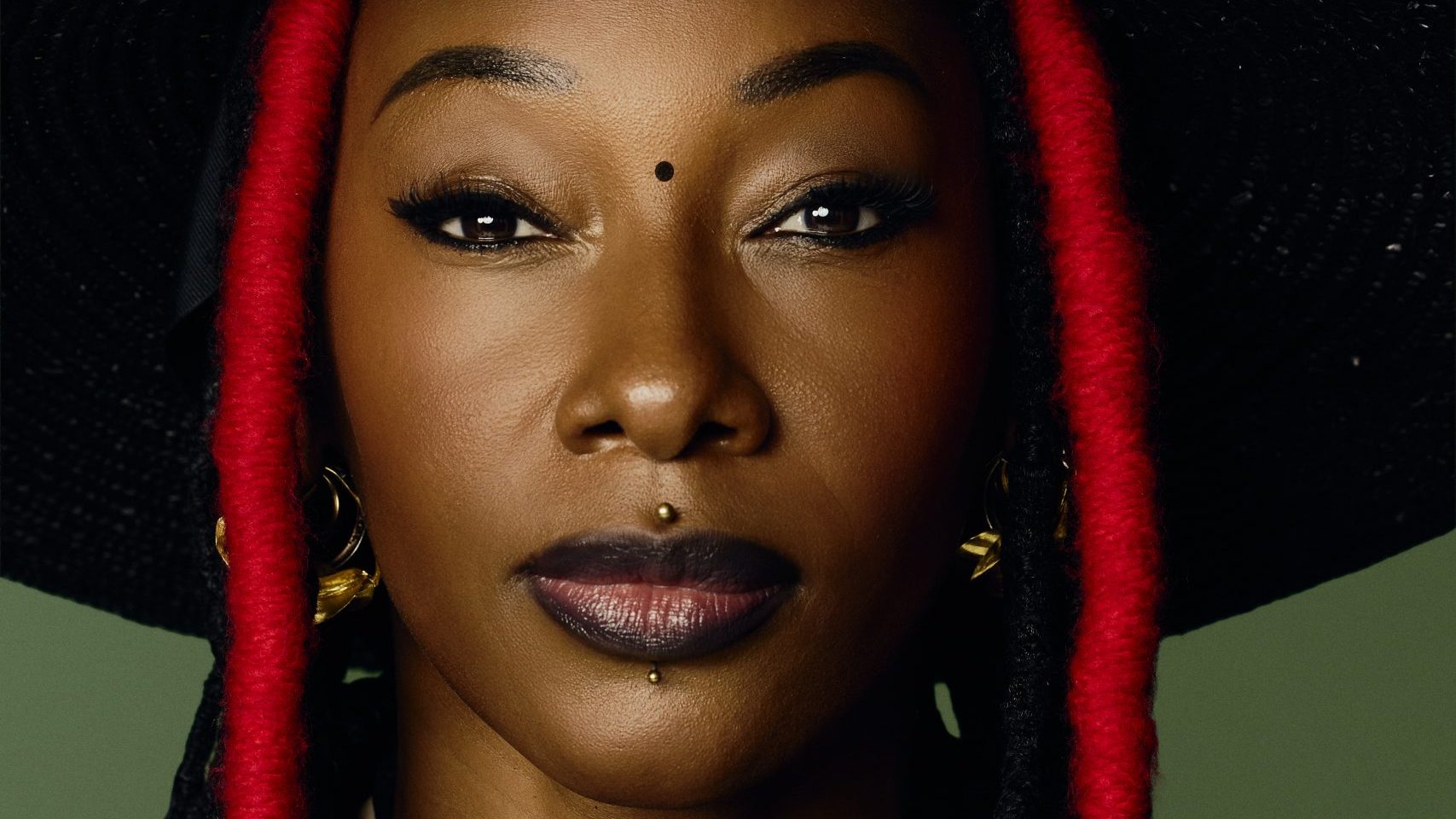
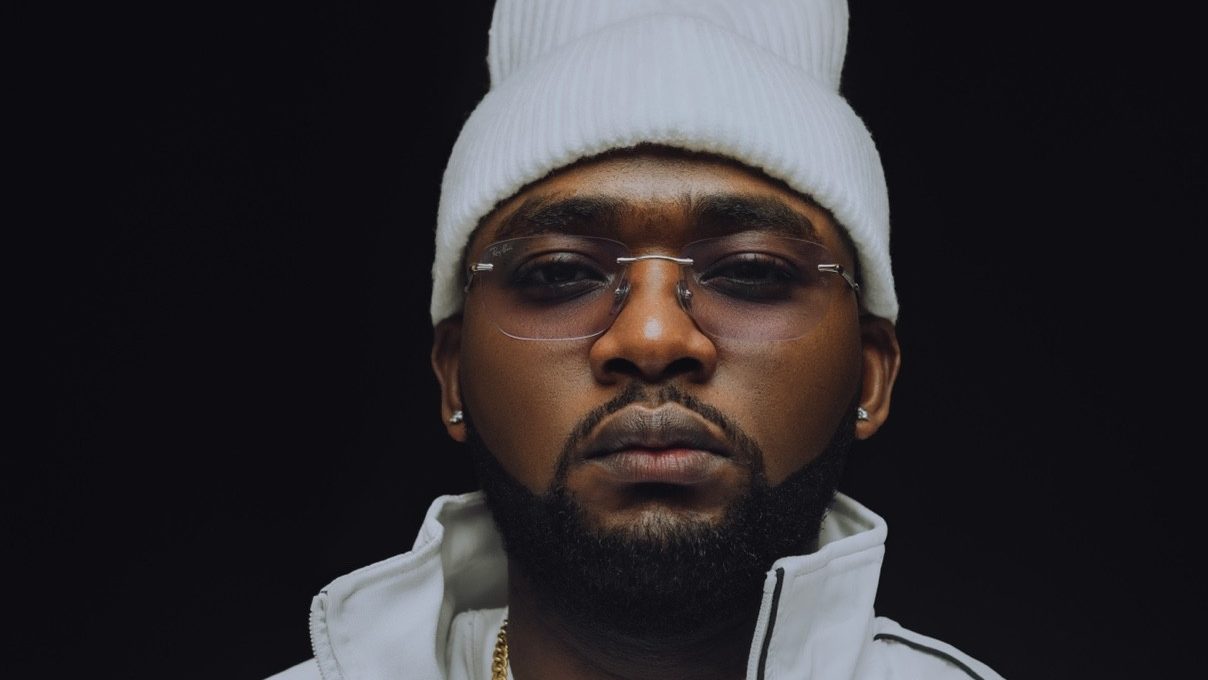
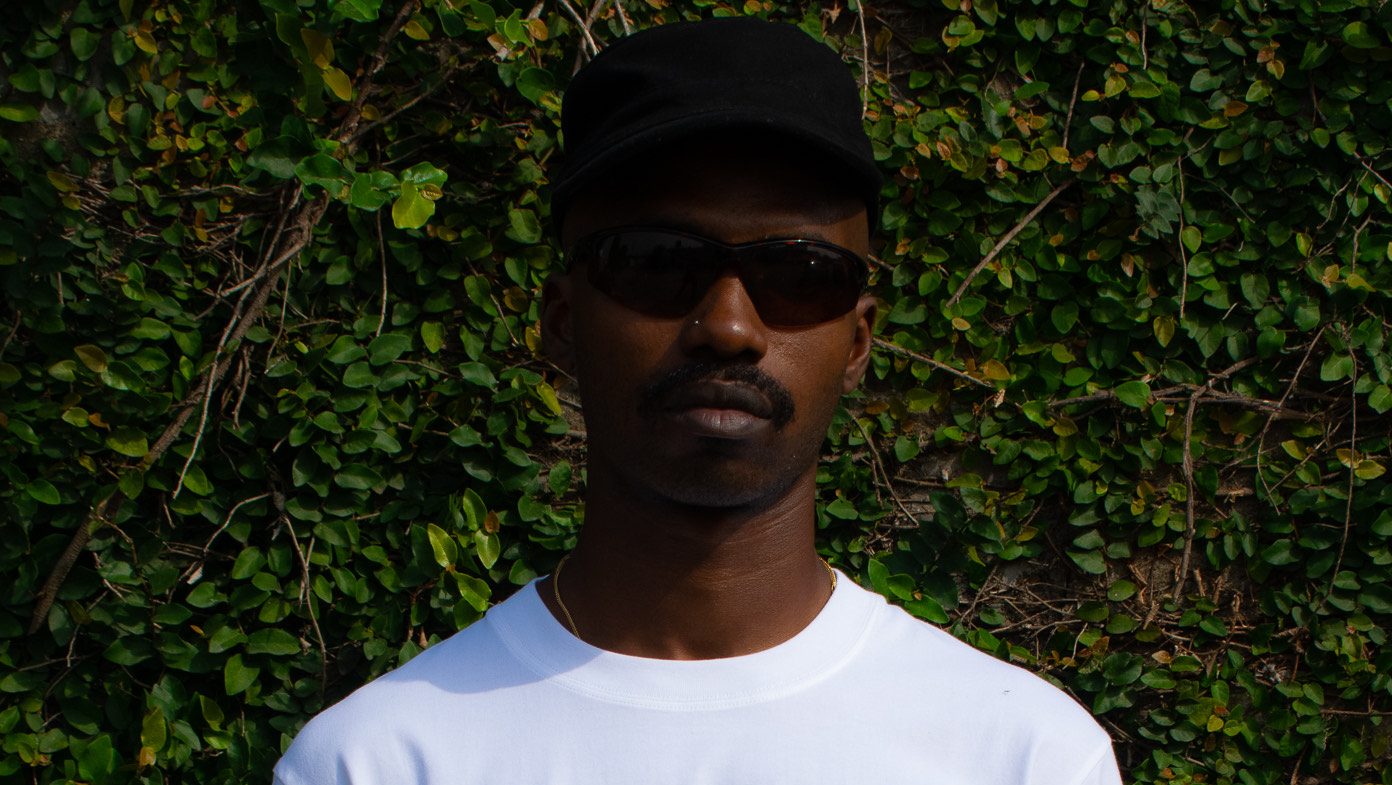
Buju BNXN, Zaylevelten, Scotty Olorin, Danpapa. It’s kind of obvious what that looked like, knowing what Greencamp does. [flagging for fact-check before this runs: the claims below are his, unverified by me] The only interview of Zay as an underground artist, he says, is one Greencamp did. The only video of Buju performing while he was still underground, he says, is also from Greencamp.
Tell me about the festival taking place in November.
This will be the tenth time we’ve done the annual Greencamp Fest since 2017. We’ll be celebrating creative talents who’ve been grinding in the underground scene, and showcasing the new talent we discovered this year across music, fashion, art, and entertainment generally. We’re partnering with Onijekuje Lagos on a day of food exhibition, local vendors in a marketplace setup for youths in Lagos to try, which ties into our “great food” slogan at Greencamp. The food always hits, so why not showcase local food vendors too? We’ve also partnered with WeTalkSound to build a pipeline for media, PR, and distribution for artists carefully picked from the festival. The goal is at least 1,000 youths passionate about Nigerian food and creative expression, celebrating genuine artistry at Freedom Park in November.
Nightlife and events, medicine, data, fashion: which of these worlds do you think least understands the others, and has that ever caused friction for you personally?
Nightlife and medicine, very obviously. I need to rest properly before seeing patients. Everything else blends well.
Five years from now, is Greencamp bigger than you, or is it still something you’re hands-on in every day? What would you actually want the win to look like?
Definitely bigger than me. I hope to find people as passionate as me, people I can hand the baton to. I can’t be there forever, and this can’t be the only thing I birth. I’m just a vessel. People will take over eventually; I just hope the vision never dies, which is part of why it’s a non-profit. It can pay you if there’s money available and you’re working, but it’ll never be a business for anyone to make excess profit off. It’s a service for the people. I guess that’s the win too, a structured initiative that connects exceptional, genuine creative expression to the people most likely to consume it, the campers. Whether that’s through an event, social media, or in person, as long as it’s achievable, it’s a win.