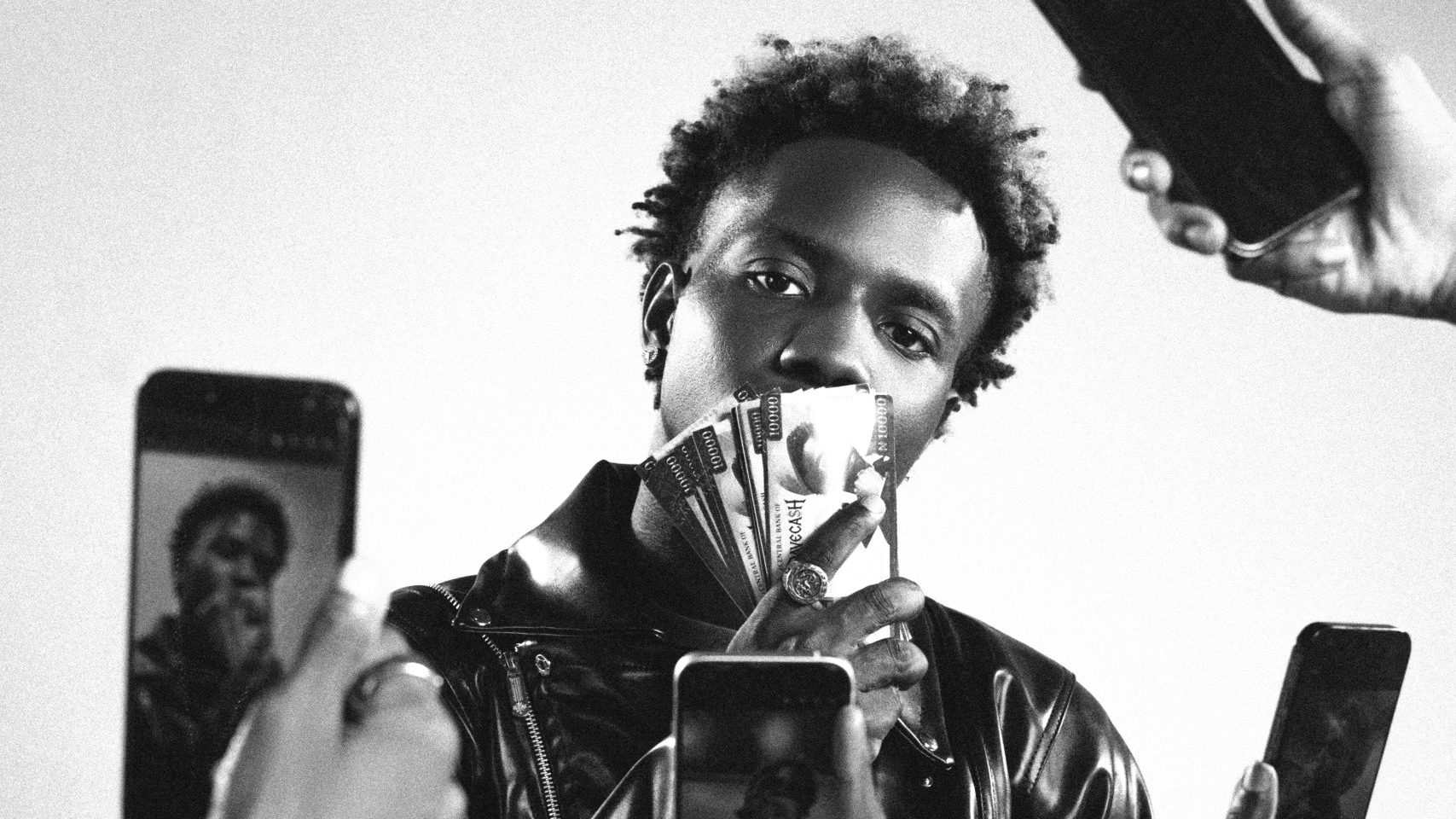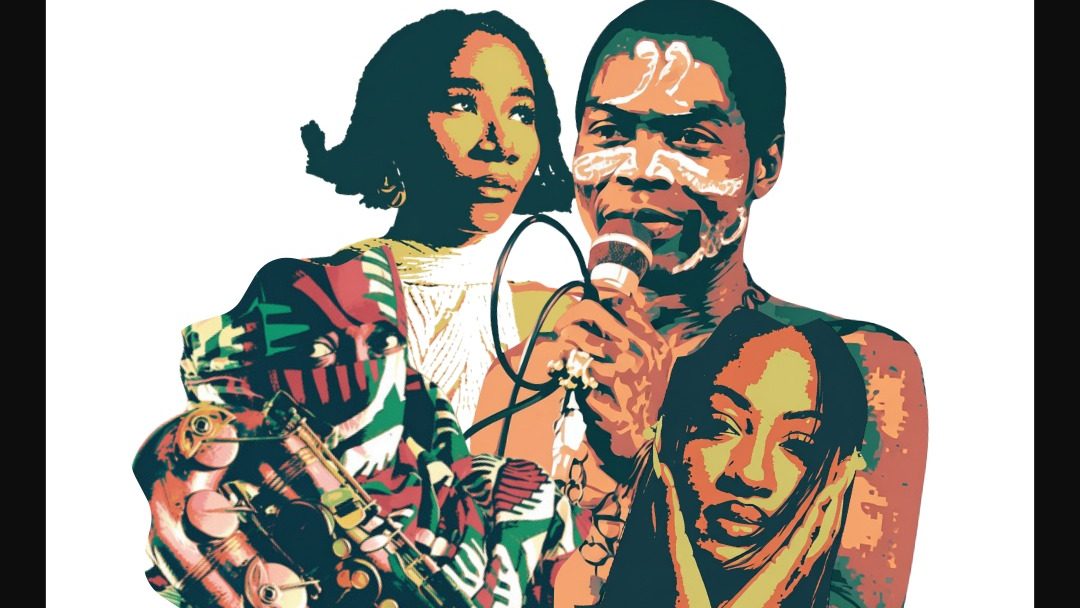
In 2016, Afrobeats was taking shape. Wizkid’s voice carried one of the biggest records on the planet, Kizz Daniel arrived with his debut project, and a new class including Mayorkun, Tekno, Mr Eazi, Ycee and Maleek Berry was defining the sound of modern Nigerian pop.
Runtown’s ‘Mad Over You’ landed in November of that year, on the back of that momentum. Runtown, the singer-songwriter behind staples like ‘Gallardo’ and ‘Bend Down Pause’, had a record that shifted the sound of the years that followed and became one of the most important songs in Afrobeats’ global rise.
The impact was immediate. Speaking to OkayAfrica in 2017, Runtown said: “After releasing the song in November 2016, things took off. Bookings came from left and right. I started traveling to different countries for shows. Lots of opportunities presented themselves.”
‘Mad Over You’ passed 2 million Spotify streams within four months of release, even though the platform would not launch in Nigeria until 2021, five years later. Today it has more than 143 million streams, with 26.2 million (18.6%) from Nigeria. In 2026 alone, the record has generated 36.6 million streams, proving its perennial appeal. .
Victor Okpala, Spotify’s Senior Artist & Label Partnerships Manager, says the song “shows how far a Nigerian song can travel while remaining strongly connected to home.” He adds: “Nigeria is its leading country, while 81% of streams in the geographic reporting table come from outside Nigeria.”
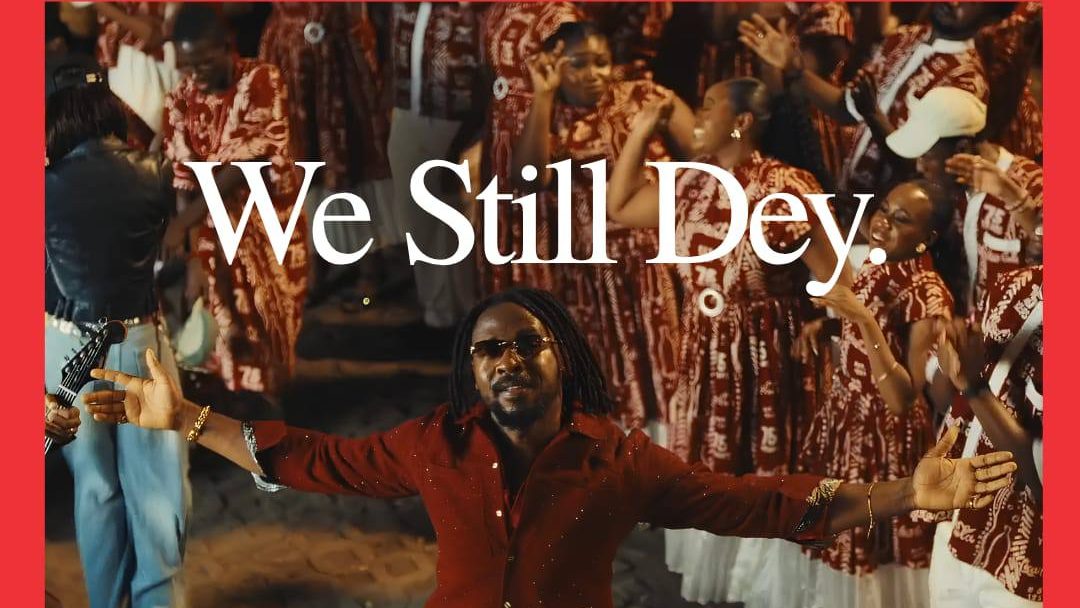
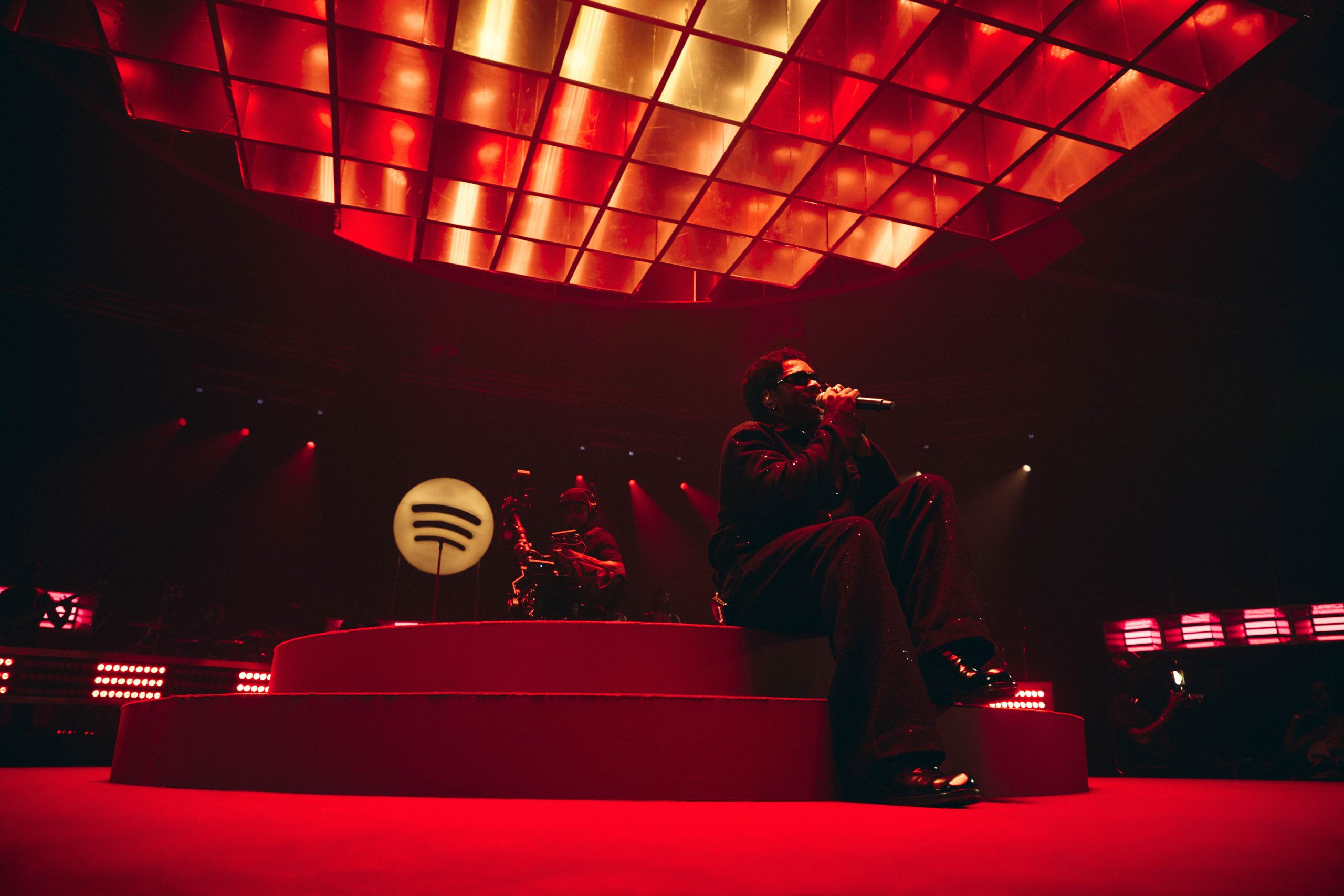
That reach was on display last month, when Spotify’s Surround Sound, a live series bringing selected Premium listeners close to artists, put Runtown on stage at Livespot in Lagos. His career-spanning set opened with ‘Lagos to Kampala’ and ‘Gallardo’, moved through ‘For Life’, ‘International Badman Killa’, ‘Unleash’ and ‘Kini Issue’, and kept returning to ‘Mad Over You’. He played it midway, then brought it back to close the night, with the crowd singing along.
We spoke with Victor Okpala about Runtown, the story of ‘Mad Over You’ and Surround Sound. Read the interview below.

Runtown’s career spans many eras of Afrobeats. What does Mad Over You show us, as a timestamp for how far the genre has travelled in almost 10 years?
Mad Over You shows how far a Nigerian song can travel while remaining strongly connected to home. The song has generated 140.7 million streams to date. Nigeria is its leading country, while 81% of streams in the geographic reporting table come from outside Nigeria. Six of its top 10 cities by streams are in Africa, led by Lagos, Port Harcourt and Abuja.
What is also striking is that the song is still recording substantial current listening. It generated 36.6 million streams in 2026 year to date, already above its full-year 2025 total. The data shows continued activity years after release, even though it does not tell us why each listener is coming to the song.
That is part of what makes it interesting for Surround Sound. It gives Runtown an opportunity to place a song with a long international life back inside the wider story of his catalogue, in Lagos, with the audience around him.
What role do younger listeners, who may not have been around in the immediate era of the song, play in keeping it relevant rather than just a throwback?
Around 43% of streams in the demographic reporting cut come from listeners aged 18–24. That tells us younger listeners account for a meaningful share of the song’s current listening. Their presence in the current audience makes it difficult to describe the song only as nostalgia. It is part of the musical world of younger listeners today as well. That is also relevant to Surround Sound: selected Spotify Premium listeners were invited based on their listening behaviour, giving some fans an opportunity to experience music they already care about in much closer proximity to the artist.
Do you think the song’s dominance has made it easier or harder for people to find and stream more of his music?
That is a reasonable question, but the data we have does not measure whether listening to Mad Over You directly causes someone to move into the rest of Runtown’s catalogue.
What we can see is that ‘Mad Over You’ is his most-streamed track, while ‘For Life,’ ‘Said,’ ‘Energy’ and ‘Things I Know’ also have substantial listening. So editorially, Mad Over You gives us a strong entry point into a much wider catalogue.

How does one gateway song convert into a long, sustainable career as compared to one viral hit that spawns nothing after?
A large song can create attention, but a sustainable career is bigger than any one metric. The data we have does not measure conversion from ‘Mad Over You’ into the rest of Runtown’s catalogue listener by listener. What it does show is that there is a wider body of music with substantial listening beyond the signature record.
‘’For Life has 45.7 million streams, ‘Said’ 30.3 million, ‘Energy’ 30.2 million and ‘Things I Know’ 22.9 million in the supplied data. That gives us a factual basis for saying the Runtown story extends beyond one song. So I would frame ‘Mad Over You’ as the entry point for the conversation rather than proof of a measured funnel. The song gets people’s attention; the wider catalogue is what lets us talk about the artist’s breadth and longevity.
When a song that’s been around for this many years keeps resurfacing, what’s usually the driver? Is it nostalgia-based streaming, playlisting, sync placement, social media moments, or something else?
What we can see is continued activity around the song across several signals. Mad Over You has generated more than 49,000 reported shares since 2023, appears in more than 3 million user playlists in the supplied snapshot and has already recorded 36.6 million streams in 2026 year to date. Those are useful signs that the song remains active in people’s listening and sharing behaviour.
Are there specific listener groups or markets where you see the song behaving differently, data-wise?
Yes, although I would be precise about what the data shows. Nigeria is the leading country for Mad Over You, with 26.2 million streams, while 81% of streams in the geographic reporting table come from outside Nigeria.
The footprint is also notably African: six of the top 10 cities by streams are in Africa, including Lagos, Port Harcourt, Abuja, Nairobi, Accra and Johannesburg. The UK and US are also important markets. That mix is central to the Surround Sound story: the cultural context begins in Lagos, while the full-length film gives the performance another way to reach audiences across those different markets.